Why Buy When You Can Build?
How a Sunday afternoon and a vibe-coding tool got me a beta CRM that actually fits how we work.
After Boston Tech Week, I came home with a head full of people. The two parents I met at a dinner who turned out to be exactly the kind of messy, multi-household, over-scheduled families we're building Hold My Juice for. The potential investor who’s also a parent of 3 kids. All in my head.
I wanted one view of the whole funnel — met at a dinner → on the waitlist → invited → signed up → active — and, just as important, what people were actually doing once they were in. So I built it.
Three asks, one Sunday, Lovable
I gave Lovable a three-stage request and a few hours.
One: a mini-HubSpot. Track each person's stage in the pipeline, plus who they actually are — where I met them, what I know about their family setup, their profession, the context that makes a beta user a real person instead of a row. And visualize it in a funnel so I can show movement to investors.
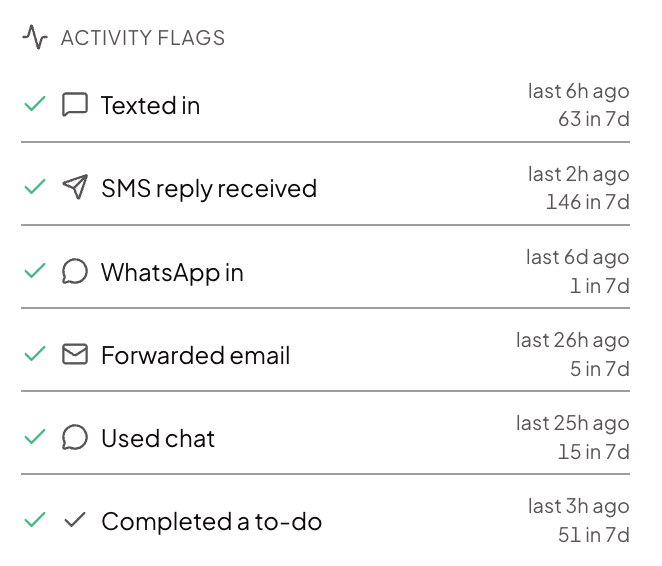
Two: activity, global and individual. I wanted to see which types of users engage most, and what they're touching. So it syncs to our Supabase DB and Mixpanel and surfaces active users across today / last 7 days / last 30 days, broken out by how they're showing up — on the website, via extracted inbox items, via inbound SMS.
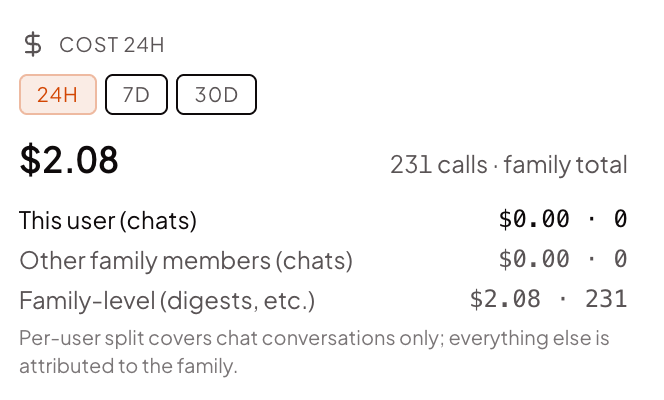
Killer Feature: I also can keep track of how much each user is costing us in tokens and where.
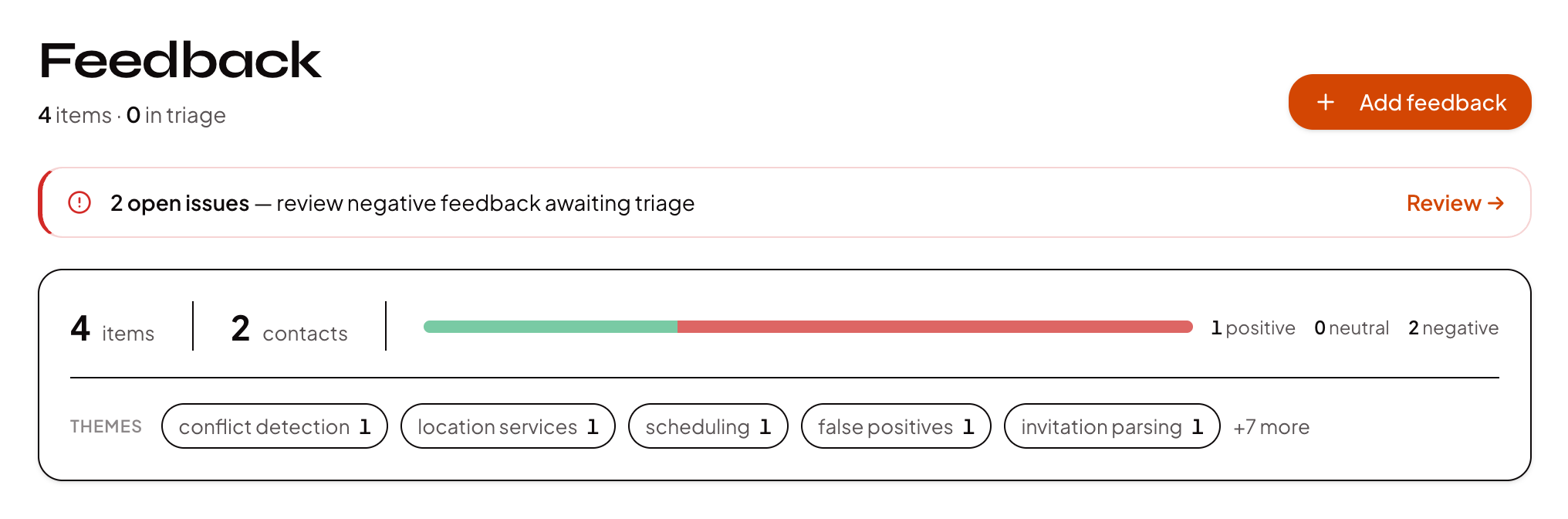
Three: feedback capture. I drop in a transcript, an email thread, a Slack message — and it parses out the bugs, the praise, the wishes, the negatives, and tags them by theme. I can see sentiment per person and across the whole beta.
I've built this before. It didn't scale.
At Quizlet we had a custom feedback center, and it was good. We baked the affordances straight into the UI — a little browser icon instead of a long user-agent string you had to squint at, geo-detection that flagged when a user was near the office so we could invite them in for beta testing. My favorite touch: a ticker across the top showing who on the team had answered the most feedback in the last seven days. Nothing builds a support culture like a leaderboard.
And then it didn't scale. The moment we had a real CS team running this day in and day out, we couldn't keep up with the tooling they needed. Building the feedback center had been a joy; maintaining it as production software for someone else's daily workflow was a second job none of us had time for. So we did the unglamorous thing — swapped in out-of-the-box options, and paid for them.
So why am I excited to be back here?
Because this time the tool solves a me problem, not an abstract user problem. I'm not building a feedback platform for a CS team that doesn't exist yet. I'm building the exact thing I need to think clearly about our beta, today. Off the shelf, this would have been three separate pieces of software to evaluate, wire up, and pay for. Instead it's one Sunday afternoon.
And here's the part that makes it sustainable in a way the Quizlet tool wasn't: it's built on infrastructure we already run. Supabase is already our database. Mixpanel is already our analytics. The CRM isn't a new system to maintain — it's a new lens on systems we're already living in. That's the difference between a tool that quietly becomes a liability and one that just... fits.
The potential here feels genuinely insane to me — and not because of the feature list. It's the category. The entire back-of-house of building a product — the dashboards, the trackers, the glue between your tools — has always been the stuff you either pay for or never get around to. The fact that I can now spin up exactly the internal tooling I need, on the stack I already have, in an afternoon? That changes what's even worth building.
One pro-tip, since someone will ask.
Lovable can't see my codebase, so it had no idea what to pull from Supabase or Mixpanel to generate these reports. So I had Claude Code write the spec first — the exact tables, fields, and events Lovable would need to query. Feeding one AI's output into another still makes me feel a little weird, like I'm cheating at something. It was clutch.
It's still basic. The feedback parser will get smarter and I’ll add more in depth tracking. But it already does the one thing it was supposed to do: it gives me a single place to see who's coming in, who's sticking, and what they love and hate about what we've built.
Onward. I'll keep iterating.
