We Built a Really Good Box But Families Don't Belong in One
When we started building Hold My Juice, we had a conviction: the AI should adapt to your family. Not some generic assistant voice. Your family's voice. We built the whole experience around this. We even generated custom juice box mascots for each family based on what we knew about them, their personality, their energy, what made them tick.
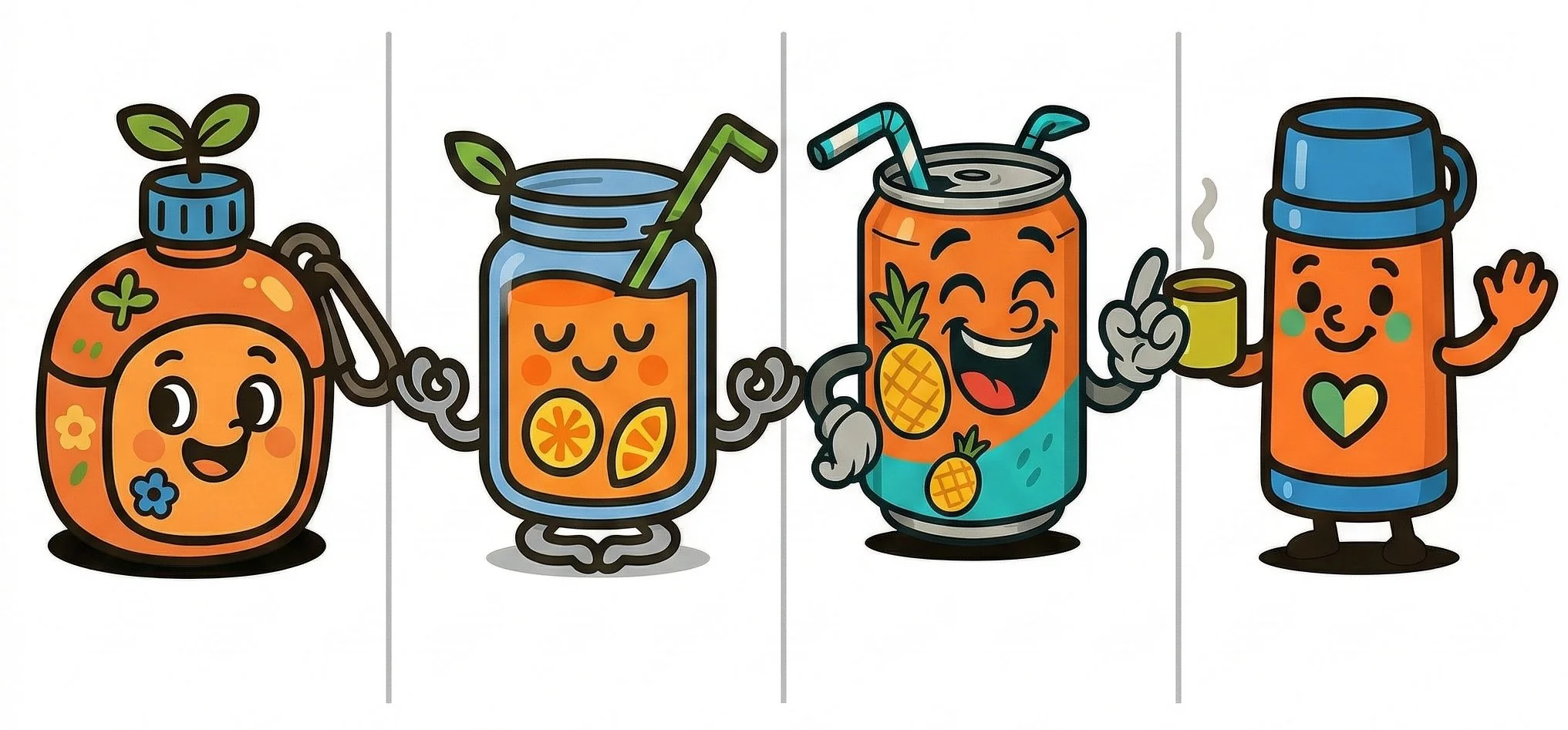
And families loved it. The juice boxes, the tone, the sense that this thing actually knew them. It was a massive improvement over everything else out there. Most family apps give you a generic AI assistant that talks to every family the same way. Even the ones with great branding still felt like someone else's vibe, not yours. What we built was genuinely different, and the response confirmed it.
It was a really good idea. It just wasn't the whole picture.
Same Family, Different Answers
As we dug into how people actually used the app, something interesting happened: different family members gravitated toward completely different features. When we debated which capabilities to prioritize, we kept getting contradictory feedback. Not between families, but within them.
Then divorced and blended families started showing up in our beta. They weren't negotiating one family vibe. They were navigating a whole constellation of them. Different households, different dynamics, different communication styles.
The more we sat with this, the more we realized something that probably should have been obvious from the start.
A family isn't its own entity. It's an amalgam of people and relationships.
I've been with my husband for 21 years. Married for 17. And the way we process information, what we'd each be happiest receiving as a text message, is actually different. He's a crisis-mode hero. I would never in a million years let him plan a family trip. My daughter is vehemently non-girly and despises any competitive sport requiring hand-eye coordination. These aren't footnotes. They're the whole story.
The Data Doesn't Change. The Voice Does.
Instead of one family profile, each person in the family now has their own vibe, developed through a combination of direct questions and behavioral cues (how they interact with the app, what surfaces in our data backfills, what they engage with and ignore).
This unlocks something we're really excited about: same information, different delivery.
Everyone in your household gets the same core data. The same events, logistics, and updates. But it's written in a voice calibrated to each person. Are you big on emoji? Short and sweet? Into bad jokes or deadpan humor? Do you think in checklists and calendar blocks, or do you prefer something more narrative?

My version of the calendar

My slapstick humor-loving husband’s version
The overall family vibe still exists, but now it emerges as the sum of its parts, built up from the individuals and the relationships between them. And those relationships matter. The AI knows my husband is the person to call when things go sideways, and that trip planning should probably route through me. It knows that suggesting a weekend softball clinic for my daughter is a non-starter, but a nature hike or an art workshop? Now we're talking.
The Danger of Boxing In Families
Here's the thing I keep coming back to: our first version was a genuine leap forward, and we're proud of it. But I think we were still subtly reinforcing the nuclear family fallacy. We were giving people room to decorate the box, turn it into a spaceship if they wanted, but it was still a box.
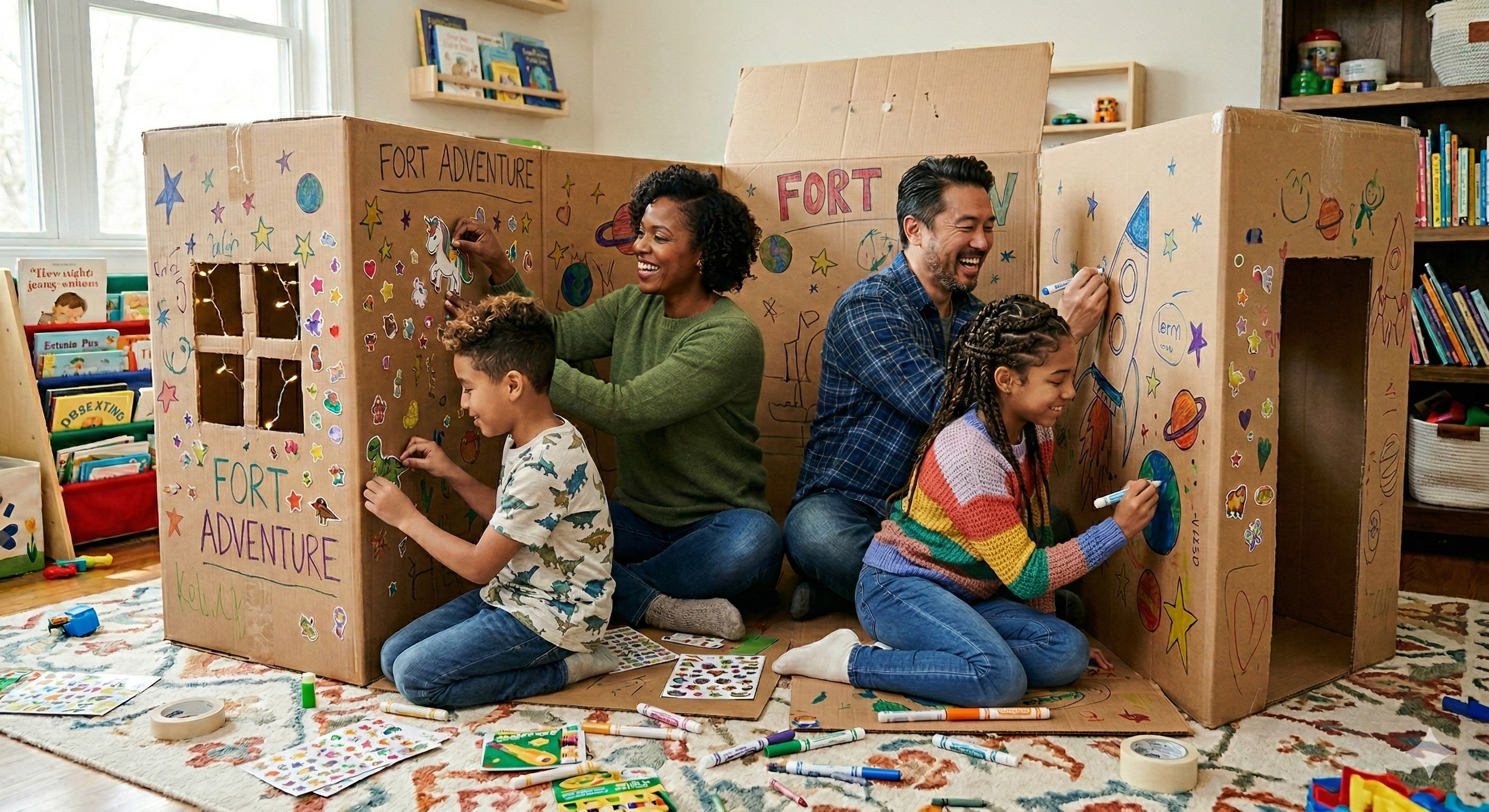
The American family has never been more dynamic. Only about 65% of children live with two married parents, down from 88% in 1960. Roughly 16% of kids live in blended families, a number that's held steady since the early 1990s. There are nearly 11 million single-parent households in the U.S. Multigenerational households have quadrupled since 1971, from 14.5 million to nearly 60 million. And none of these numbers capture the full picture: the co-parenting arrangements, the grandparents who are primary caregivers, the chosen family structures that don't show up in census data at all.
Two married parents, 2.5 kids, and a golden retriever is not something we should be designing for. Not because that family doesn't exist, but because it's one configuration among many, and our technology should be expansive enough to hold all of them.
What's Next
We're rolling this new approach into our beta and we can't wait for you to try it. If you're a parent (any kind of parent, in any kind of family) we want to hear how it feels. Does the AI sound like it gets you? Does it understand that your family is made up of actual, specific, sometimes contradictory humans?
That's what we're building toward. An AI that not only knows your family but knows your people.
Hold My Juice is an AI-powered co-parent designed to reduce mental load for families of all shapes and sizes. Sign up for the Beta.
