I Don't Need Another F*cking Taco Bar 🌮
Or: How Probabilistic AI Pushes Us Toward the Unoffensive Norm
I’ve been building an agent to help with dinner planning for families. I wanted something personal. Something that actually fit us. Instead, I got the same suggestion. Again. And again.
What about a taco bar?
We like tacos. Doesn’t everyone? But nothing in the data this system was using even mentioned tacos. And the constant repetition was odd.
So I went to the source and asked ChatGPT:
Why would an AI agent keep suggesting taco bars?
Why AI Loves Taco Bars
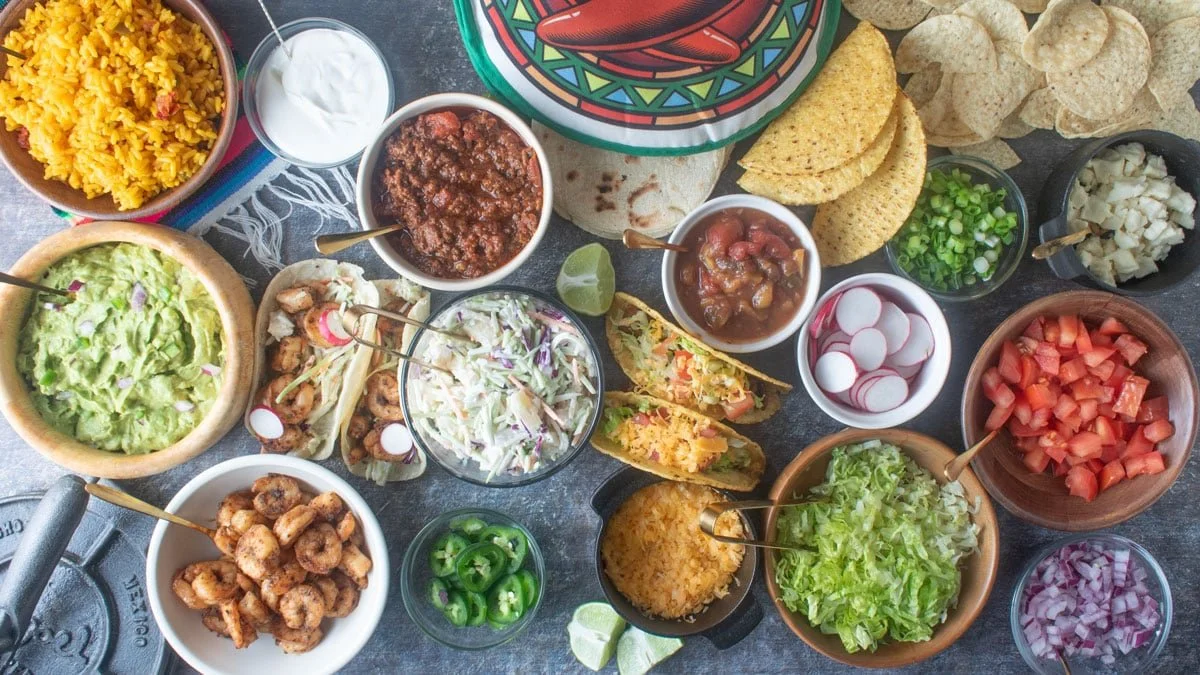
This isn’t a bug. It’s a feature of how probabilistic systems work.
AI optimizes for the least offensive answer In the training data, taco bars show up all the time on the internet - great parties, happy people, crowd-pleasers. The model learns a simple rule: suggesting tacos rarely goes wrong. When an AI isn’t confident it understands you, it reaches for what offends the fewest people.
Agents are risk-averse by design Agents want to please and they don’t want to disappoint. So they converge on the safest option it’s ever suggested. A taco bar becomes a defensible choice.
Modular meals fit how models think LLMs love structure. Taco bars, grain bowls, pasta bars, DIY pizza nights all map perfectly to list-based reasoning. They’re decomposable. They’re legible. They “make sense” to the model.
The system confuses fatigue with flexibility When you say, “I don’t know what to make,” the model hears: decision fatigue. So it doesn’t point you toward a big decision but says everyone can do DIY. This sounds great in theory. But it is deeply annoying at 5:47 PM with two kids melting down.
The feedback loop reinforces sameness People often respond positively to taco bar suggestions in the aggregate. They click. They engage. The system learns. Over time, taco bars become overrepresented not because they’re right for you, but because they’re statistically safe.
the Real Problem
This isn’t about tacos. It’s about what happens when probabilistic systems optimize for average.
Agents don’t repeat taco bars because they’re lazy. They repeat them because they’re designed to minimize risk. They rely on generalized training data, modular templates, and safety-biased prompts, with each model call nudging toward the most defensible, least offensive option.
And probabilistic AI is very good at telling you what works for most people most of the time.
That’s exactly the wrong thing for dinner.
Dinner is not a general problem. It’s a specific one.
Who’s home tonight.
What time you’re eating.
How much bandwidth you have.
Who’s had their favorite meal recently.
What you absolutely do not want to cook again.
And let me tell you, no one short on time with two kids wants to prep a taco bar with a dozen little bowls and a sink full of dishes.
What We’re Building Instead at Hold My Juice
AI is trained to avoid offense. That sounds virtuous until you realize the flip side is also true: Anything that doesn’t risk offending anyone rarely delights anyone.
So if AI is naturally pulled toward the unoffensive norm, building something useful means allowing it to take sides. Carefully. Intentionally. On your behalf.
At Hold My Juice, our dinner agent is built around a simple premise: Pleasing someone often means not pleasing everyone.
That’s not a failure mode. That’s how real families work.
Here’s what that looks like in practice.
Understand the real constraints Not generic “weeknight dinner” logic, but who’s home, when you’re eating, and how much bandwidth you actually have.
Remember your family’s preferences Not “what families like.” What this family likes. Including strong preferences, hard no’s, and the weird edges that make your household yours.
Allow partial disagreement Dinner doesn’t have to be neutral. It can lean toward one person tonight, knowing it will lean toward someone else tomorrow.
Enforce variety over safety Repeating the safest option isn’t kindness. It’s stagnation. Memory lets us trade comfort for interest without chaos.
Balance fairness over time, not in every moment If one person got their favorite meal Monday, Tuesday can belong to someone else. Fairness lives across days, not plates.
A Successful Dinner
Last night we had frozen Korean BBQ ribs from Trader Joe’s, suggested by the improved agent.
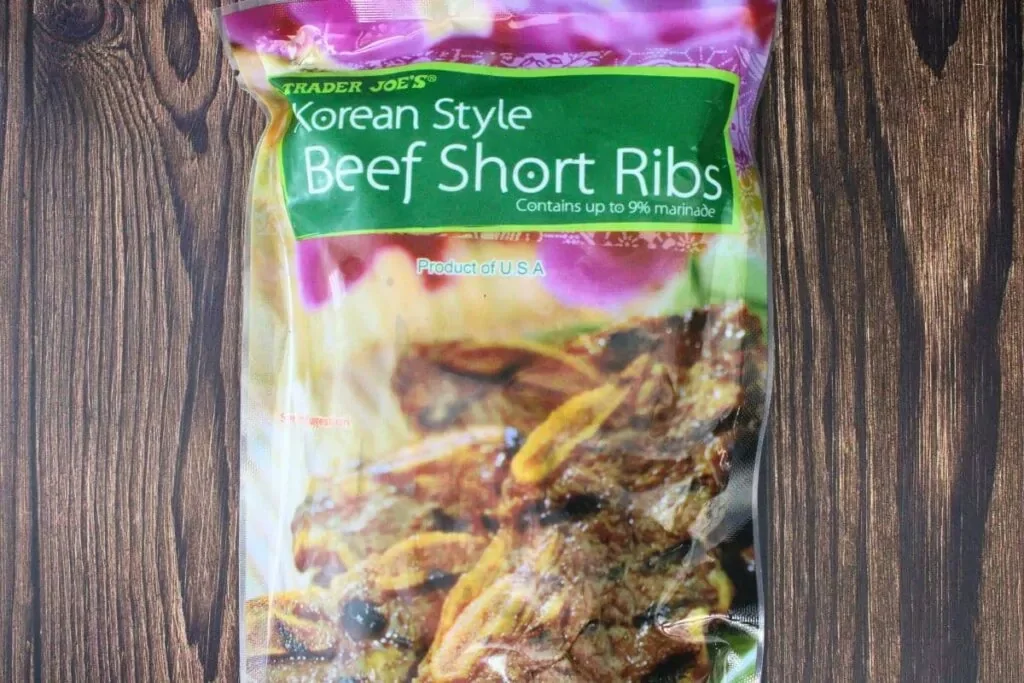
Why it worked:
We love Korean BBQ
We like using the grill
Large salad leaves are one of the few vegetables my kids will eat
It took about ten minutes
Would that delight every family? No.
Did it delight ours? Absolutely.
That’s the difference.
Customization isn’t about smoothing edges. It’s about choosing which edges matter.
When AI is willing to risk being wrong for someone, it finally gets the chance to be right for you.
